Disability Advocacy

Living at Home After a Spinal Cord Injury: How This Right is Being Threatened

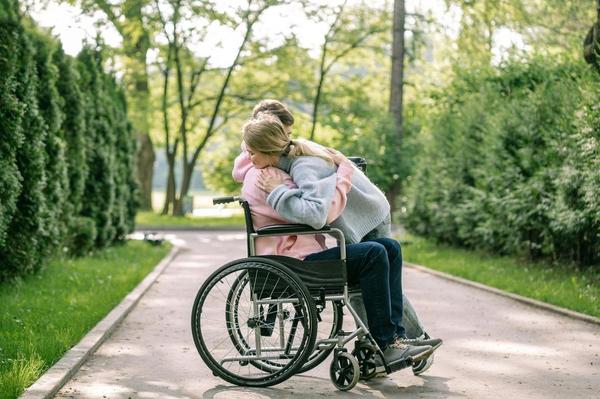
Thousands of Americans with disabilities like spinal cord injuries (SCI) depend on Medicaid for essential care. Medicaid pays for home and community-based services (HCBS), like skilled nursing and personal care attendants, so individuals with a high level of need don’t have to live in institutions like nursing homes. Now, in several states, our rights to these services are being threatened.

Voice Banking: Preserving Your Voice Through Assistive Technology

Last month, on April 16th, we celebrated World Voice Day.

What if you or a loved one were diagnosed with a medical condition that would eventually lead to the loss of your ability to speak?

With voice banking, individuals diagnosed with neurological conditions like Amyotrophic Lateral Sclerosis (ALS) can enjoy hearing their words communicated in their own voice when they use voice output communication aids (VOCAs) to communicate.

A VOCA is operated by choosing letters, words, symbols, or sent...

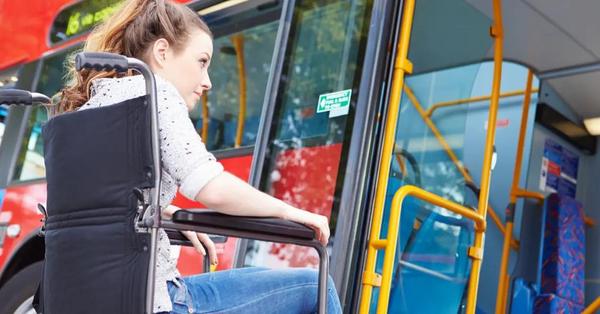
Affording Accessible Transportation After a Spinal Cord Injury

If you have a spinal cord injury, you probably require accessible transportation. But wheelchair vans and adapted vehicles are expensive, and adaptations alone can cost thousands. Where can we find funding options that may assist with financing or lowering the cost of purchasing or modifying an accessible vehicle?
Alternative Finance Programs (AFPs) provide referrals for grants, connecting people with local resources that can help them afford accessible vehicles. Need a loan to purchase an acces...

Accessible Air Travel: Airline Accountability

For people with disabilities, especially a mobility disability, flying can be a nightmare. Between aisle-chair transfer, inaccessible bathrooms, and the outrageous risk of equipment damage in the cargo hold, air travel can create barriers that go far beyond inconvenience.

This article breaks down:

About the Author: This piece is written by a disability advocate and author living with a C4 spinal cord injury, drawing on personal experience and community advocacy to advance accessibility and equ...

New Legislation to Increase Internet Accessibility for People with Disabilities

Back in April of last year the U.S. Department of Justice published a final rule to the Americans with Disabilities Act (ADA). The rule mandates that all web content and mobile applications provided by public entities must be readily accessible to and usable by individuals with disabilities. Both state and local governments will be required to comply, effective next year.
At Ability Central, we have been mindful of accessibility since the inception of our web content.
Making websites possible fo...

Independent Living with Disabilities: How to Find the Support You Need

The CDC lists disabilities under six classifications: mobility, cognitive, hearing, sight, self care and independent living. Independent living difficulty is classified as having a "serious difficulty doing errands alone, such as visiting a doctor's office". This classification recognizes that the ability to independently navigate the community is a key component of daily functioning.

This article addresses the following questions:

Imagine sharing your personal space with strangers. Imagine lo...

Was Your Wheelchair Damaged by an Airline? | Legal Investigation

If you have a spinal cord injury and require the use of mobility equipment you know how vital that equipment is. Our wheelchairs, walkers and powerchairs give us independence and autonomy. When that equipment is damaged, replacement and repair can take months, and our independence is threatened. 
But airlines are notorious for damaging mobility devices and putting individuals with spinal cord injury (SCI) and other disabilities in this position. We take a risk when flying that we should not have...

"Do Better" - Speaking up for Equity to Address the Transportation Gap for Wheelchair Users

The article is written by a disability advocate and author living with a C4 spinal cord injury, who draws from personal experience and community advocacy to push for accessibility and equity.

Before my spinal cord injury, I didn’t think much about getting from Point A to B. I drove a few clunkers in my day that I paid pennies for. If they didn’t start, I could jump in anyone's passenger seat. Now that I require a wheelchair accessible vehicle to accommodate my power wheelchair, getting to where...
The Department of Justice has Sued Uber Over Accessibility

Individuals with spinal cord injuries who use wheelchairs know all about facing transportation challenges, including a lack of access to rideshare companies that everyone else uses. We are denied rides and charged extra fees. Recently, the Department of Justice has filed a lawsuit on behalf of people with disabilities who are systemically discriminated against by rideshare giant Uber.

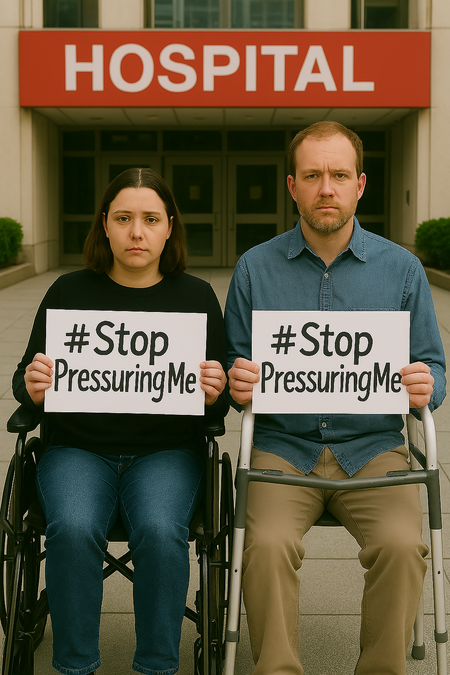
Stop Pressuring Us! The Fight to Hold Hospitals Accountable for Pressure Injuries Continues

Spinal cord injury comes with a lot of secondary complications. One prevalent problem that can have absolutely devastating outcomes is an absolutely preventable one though. Pressure injuries, also known as pressure sores or bedsores, don’t just come with SCI- they develop due to negligence. And way too often that negligence is experienced in healthcare facilities- where you go to get better, not get hurt. That’s why we’re fighting back. Enough is enough!

Not Hiring: How Ending Federal Disability Goals Hurts the Disability Community

Misconceptions about people with disabilities— and our ability to contribute meaningfully—have long limited employment opportunities. Ableist attitudes and exclusionary thinking among employers often result in the rejection of qualified applicants with disabilities. Legislation like Section 503 of the Rehabilitation Act has sought to hold at least federal employers accountable for including people with disabilities in their workforce. But Section 503 is now under threat.

Threats to Cut Government Programs Impact Americans with Spinal Cord Injury

Accessing the services and resources we need to live quality lives can be a challenge for those of us living with spinal cord injuries (SCI). Almost 30% of Americans with SCI depend on Medicaid and thousands more rely on the Administration for Community Living (ACL) which provides services to people with disabilities regardless of insurance status. Recent threats to these programs have Americans with spinal cord injuries worried about losing these critical services.

Gina Schuh Rolls Her Way Through the Capitol

Gina Schuh can still hear the sharp crack of her neck breaking as her head hit the bottom of the pool, the result of a dive gone awry.

Suddenly living with quadriplegia at 18 years old, the aspiring chef had to change careers before even starting. Schuh still expressed her love of food through her blog, the Culinary Quad, a mix of recipes and restaurant reviews that emphasized accessibility as much as cuisine. However, the colorful food scene was overshadowed by a bitter experience: ADA violati

Mental Health

It's National Caregiver Month: Celebrate Your PCAs!

Living with a spinal cord injury often involves relying on assistance with personal care. Our caregivers bridge the gap between our care needs and our lifestyles and life ambitions. They are enablers of our independence. This National Caregiver Month, we celebrate those who care for us.
A Personal Care Aide (PCA) or Personal Care Assistant provides non-medical support, assisting with daily living activities like bathing, dressing, and meal preparation, often in clients’ homes.
For people with sp...

World Mental Health Day: Mental Health at Work

Did you know that there is a day dedicated to mental health all around the world?
Since 1948 countries have been joining the World Federation for Mental Health (WFMH), an international organization that seeks to increase global awareness and advocate for justice for the many individuals who struggle with mental health. This organization has designated October 10 as an annual day of promoting awareness, resources and inclusion around mental health.
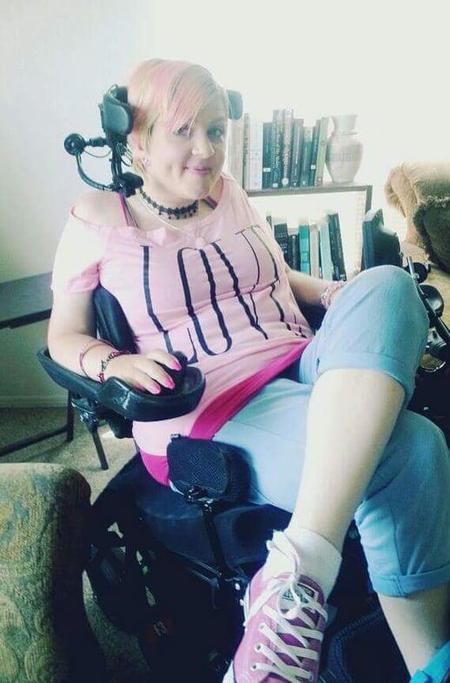
Discovering Self-Love and Accepting My Post-SCI Body

It is human nature to accept ourselves more readily when we see that other people accept us. I have experienced this need for validation since I was a new kid in elementary school. This need still eats at me, even when I appear to have it all together.

When society told me that I needed to be pretty, I listened. When the media told me I had to be thin, I ate less. When boys started noticing me, I thought that was what being a woman was all about.

I became an ironworker soon after I graduated f

Self-Worth, Shame & Spinal Cord Injury

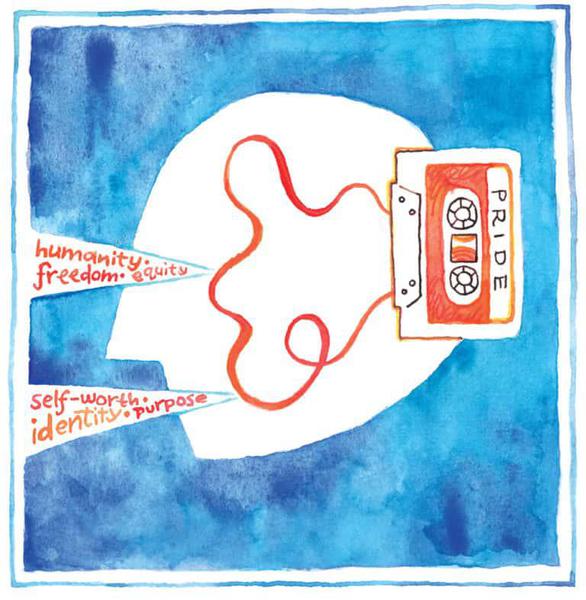
I was raised with the example of a hard-working, blue-collar father, and I went into the trades at 21. As I welded my way up the West Coast, young daughter in tow, I adopted this perspective that over-working oneself to death was an admirable way to go. My self-worth felt determined by how much I was contributing and participating. This applied to both my then-career in commercial iron and my anticipated career as a writer.
I never imagined the former would be cut so brutally short. I sustained

Spinal Cord Injury Articles

Avoiding Common Legal Mistakes After a Spinal Cord Injury

When you sustain a spinal cord injury (SCI) and another party is at fault, you may have to prove it in order to receive compensation. While liability looks obvious to you, insurance agents are experienced at attempting to shift blame. They’re good at making low-ball offers sound good.
For this reason it’s a good idea to be aware of the true cost of your injury and disability, mindful of how you portray yourself post paralysis, and informed about the process of hiring an attorney that’s right for...

New Study Highlights the Secondary Health Risks After Spinal Cord Injury

When you have a spinal cord injury (SCI), it can often feel like the injury is the least of your problems. Lack of motor function can be adapted to, but then there are the secondary health issues that individuals with spinal cord injury are more vulnerable to. Knowing what these health issues are can help us to be more proactive in preventing them.
Researchers from Mass General Brigham and the University of California Health System tracked the health of more than 2,700 patients with spinal cord...

Stop Pressuring Us! The Fight to Hold Hospitals Accountable for Pressure Injuries Continues

Spinal cord injury comes with a lot of secondary complications. One prevalent problem that can have absolutely devastating outcomes is an absolutely preventable one though. Pressure injuries, also known as pressure sores or bedsores, don’t just come with SCI- they develop due to negligence. And way too often that negligence is experienced in healthcare facilities- where you go to get better, not get hurt. That’s why we’re fighting back. Enough is enough!

10 Influencers of the SCI Community to Follow

Today every niche community out there can find their people on social media. For individuals with spinal cord injuries, support groups and influencers offer connection, solidarity, information and resources. Influencers in particular can play a role in recovery from spinal cord injury (SCI). When survivors see their peers thriving, it brings hope and inspires motivation. By sharing tips for navigating life with SCI, influencers have this unique opportunity to help others in the community.

8 Essential Tips for Newly Injured Spinal Cord Injury Survivors

Spinal cord injury affects almost 300,000 Americans. These injuries are never sustained by individuals who are fully aware of the challenges faced by the SCI community, but survivors become quickly acquainted with them: making sense of the disability and its secondary complications, accessing vital resources, fighting to be heard in an ablest society. These tips should provide a rough outline for navigating most typical challenges faced by newly injured survivors.

#StopPressuringMe: Medical Malpractice Pressure Sore Stories Pour In Since Launching Our Campaign

Since launching the scipressuresores.com website and the #StopPressuringMe campaign, the stories from spinal cord injury (SCI) survivors have come pouring in to The Spinal Cord Injury Law Firm. These pressure sore injuries start during hospital stays or residency in skilled nursing facilities. That absolutely preventable injuries- dangerous, life-altering, and threatening injuries- are so widespread, it should be shocking. 
Research shows that up to 30% of people with SCI develop a serious press...

One Stop Shop: The Nonprofit All Individuals with SCI Need

Any one of us whom has sustained a spinal cord injury (SCI) can likely look back and remember the incredible struggle of the early days. Picking up the pieces of life after paralysis feels impossible; you don’t even know what resources you need, much less how to access them. The staff at SPINALpedia have been in that position too. Now they are committed to helping newly injured individuals get all the help they need as soon as possible after SCI.

Threats to Cut Government Programs Impact Americans with Spinal Cord Injury

Accessing the services and resources we need to live quality lives can be a challenge for those of us living with spinal cord injuries (SCI). Almost 30% of Americans with SCI depend on Medicaid and thousands more rely on the Administration for Community Living (ACL) which provides services to people with disabilities regardless of insurance status. Recent threats to these programs have Americans with spinal cord injuries worried about losing these critical services.

The High Cost of Living with Spinal Cord Injury

Living with spinal cord injury is expensive. Whether or not health insurance picks up some of the medical tab, many Americans with SCI find themselves paying out of pocket for numerous goods and services necessary for quality of life: home modifications, accessible transportation, supplies, and homecare not covered by insurance. The average yearly health care and living expenses vary according to the severity of the injury, but all SCI survivors can expect a hit to the pocketbook.

You’ve Heard of Neuralink, But Do You Know About Synchron?

Neuralink and its Telepathy device has captured public interest around brain-computer interfacing (BCI) technology for people with disabilities impacting motor function, like spinal cord injuries. Maybe not widely known though, is other companies in the space are actually further into the clinical journey. New York based Synchron has reported promising results on their own clinical trials for their BCI, Sentrode.

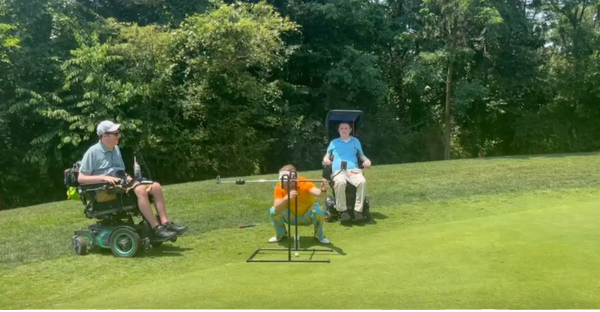
Adaptive Sports for Power Chair Users

For many people who sustain a spinal cord injury, it’s important to get involved in recreation again. While sports like wheelchair basketball and wheelchair rugby are pretty widely known, power wheelchair users have historically been afforded less opportunities to participate in team sports. But now even individuals with high level cervical injuries can participate in multiple sports developed over the last several years, from power soccer to adaptive tennis and golf.

When Airlines Damage Wheelchairs

When you live with a mobility disability, your mobility aids become an extension of yourself. You’re dependent on them. Their maintenance and timely repair means your quality of life. Participating in life feels like taking a risk, when accessing services out in society jeopardizes that mobility equipment. If you’ve ever flown on an airplane as a wheelchair user, you may have experienced property damage firsthand.
Load More

Why I Write

While I enjoy crafting a sweet sentence, my passion for writing extends beyond the insatiable urge to see my words in print. I'm primarily concerned with advocating for the marginalized communities I belong to, such as those with spinal cord injury and disability, and individuals deconstructing from religious abuse. 

[S]he who has a "why" to live can bear almost any "how".

Nietzsche

How I Write

My "why" to write demanded I find a "how". While expensive accessible software exists I didn't want to wait for the funds. I still often use a mouth stylus to type, though I have a QUADSTICK now which I use to operate a PC with my mouth too!